AI Industry News Roundup — Practical Guide
Discover the latest AI trends, from multimodal models to Nigeria's first multilingual LLM, and learn how local businesses are saving ₦200k+ monthly.
AI Industry News Roundup: Global Tech Shifts and the Nigerian Opportunity
Staying ahead of the artificial intelligence curve isn't just for Silicon Valley software engineers anymore. For the Nigerian business owner, the local creative, and the tech enthusiast, the rapid evolution of AI over the last quarter has brought tools and tremors that are reshaping how we work. In this roundup, HumanityAI looks at the biggest shifts in the global AI landscape and what they actually mean for our local ecosystem.
1. The Rise of Multimodal GenAI: Seeing, Hearing, and Speaking
The biggest headline this season is the transition from simple text-based AI to 'multimodality.' Leading models from OpenAI (GPT-4o) and Google (Gemini 1.5 Pro) have evolved. Instead of just typing a prompt, you can now show the AI a video of your factory floor or a photo of your handwritten ledger, and it will analyze it in real-time.
The Nigerian Context: This is a game-changer for financial inclusion and education locally. Imagine an AI tutor that can 'see' a student's long-form math working via a smartphone camera and point out exactly where the calculation went wrong. For entrepreneurs, it means translating spoken Yoruba, Igbo, or Hausa into professional business English documentation with nuance and tone preserved.
2. Sovereignty and Local Language Models (LLMs)
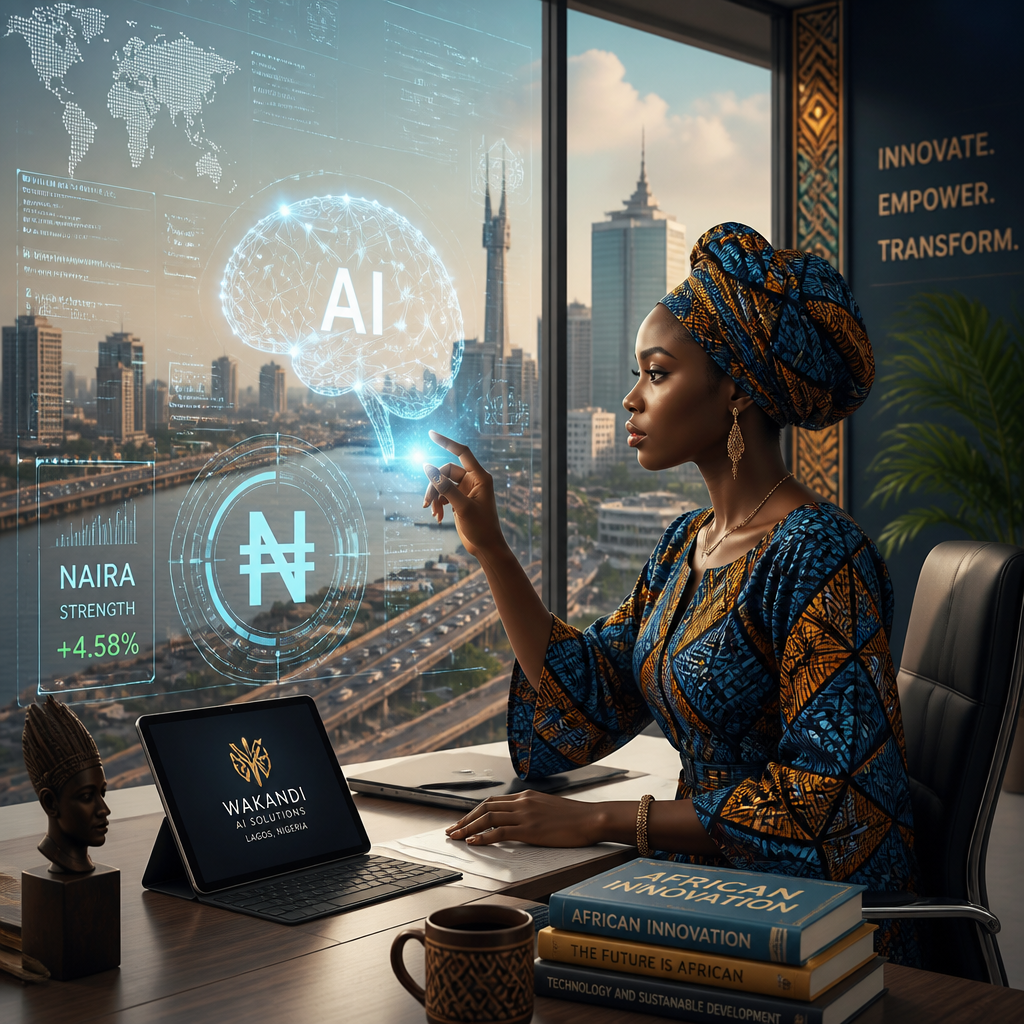
There is a growing global movement toward 'Sovereign AI'—the idea that nations should own their AI infrastructure and data. In Nigeria, the Minister of Communications, Innovation, and Digital Economy recently announced the launch of Nigeria's first Multilingual Large Language Model.
By training on local datasets, these models aim to eliminate the Western bias often found in global AI. This ensures that AI understands Nigerian cultural contexts, legal frameworks, and slang (Pidgin), making it much more reliable for customer service bots used by local banks and fintechs. No longer will your customer service AI struggle to understand what a customer means when they say their transaction is 'hanging.'
3. The Shift to On-Device AI: Intelligence Without the Data Cost
One of the biggest barriers to AI adoption in Nigeria has been the high cost of data and unreliable internet. However, the industry is shifting toward 'Edge AI' or 'On-Device AI.' Tech giants like Apple and Qualcomm are releasing chips designed to run AI models directly on your smartphone or laptop without needing a constant internet connection.
Why it matters: This will drastically lower the cost of entry. If you can run a grammar checker, a basic coding assistant, or a photo editor locally on your device, you save on monthly data subscriptions while enjoying faster response times. For the developer in Aba or the digital marketer in Ibadan, this means productivity isn't halted when the network drops.
4. Regulation and the Ethics of Deepfakes
As AI grows, so does the risk of misuse. We have seen a spike in AI-generated 'Deepfakes'—highly realistic but fake audio and video. This has led to a global push for AI watermarking and regulation.
Nigeria is currently drafting its National AI Strategy to address these ethical concerns. For the average citizen, the message is clear: 'Verify before you trust.' As we move toward the next election cycles and high-stakes business deals, the ability to distinguish AI-generated content from reality will be a vital digital literacy skill.
5. AI Jobs: From Fear to Upskilling
The narrative that 'AI will take your job' is being replaced by 'People using AI will take the jobs of those who don't.' We are seeing a massive surge in demand for AI Prompt Engineers and Data Labelers.
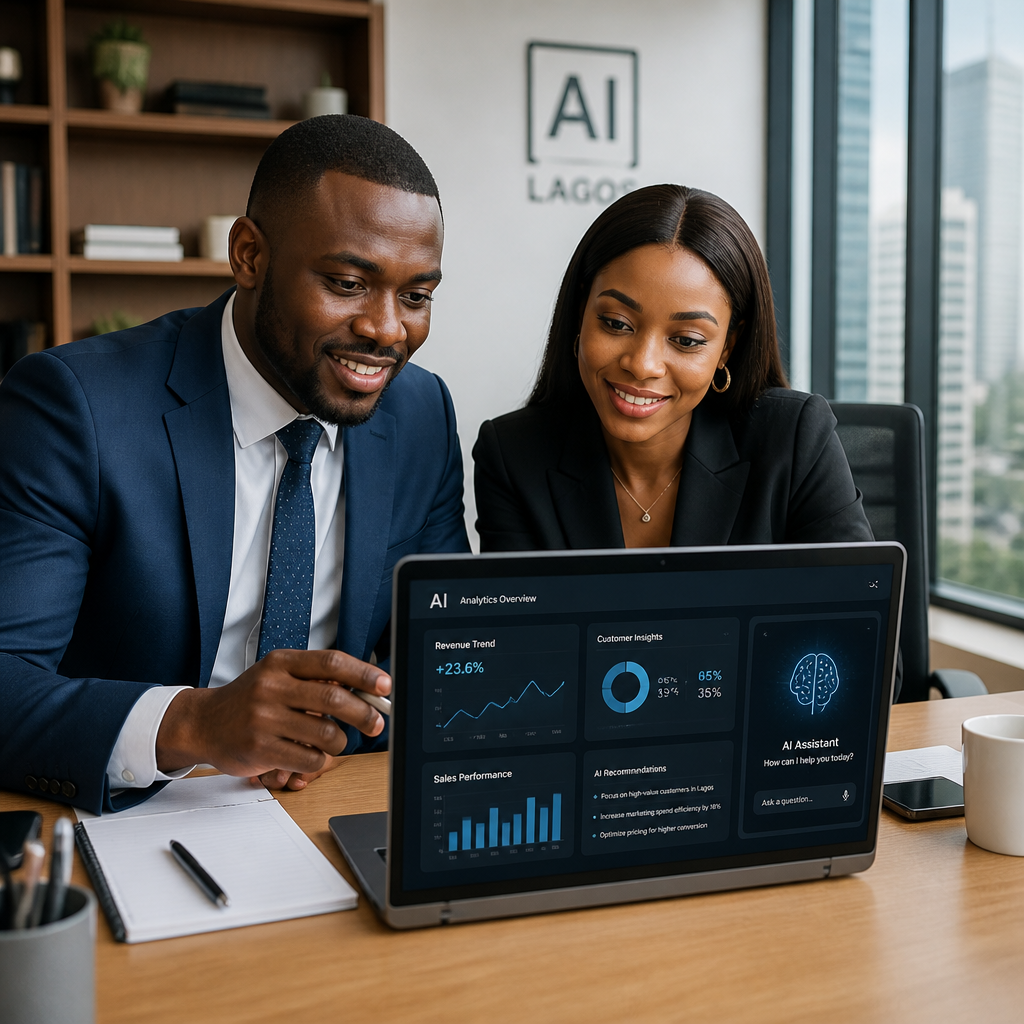
HumanityAI is observing a trend where Nigerian SMEs are saving upwards of ₦250,000 monthly by using AI for social media management, basic bookkeeping, and initial legal drafting instead of outsourcing every minor task. The goal isn't to fire staff, but to empower a lean team to do the work of a much larger department.
Conclusion: Your Next Move
The AI revolution isn't a single event; it is a series of waves. To stay afloat, Nigerian professionals must move from being passive consumers to active learners. Whether it is experimenting with Google’s notebookLM for research or using Microsoft’s Copilot to automate your Excel sheets, the time to start is now.
At HumanityAI, we believe that the future of Africa is digital, and the fuel for that future is Artificial Intelligence. Keep your eyes on this space as we continue to break down what global tech means for our local reality.